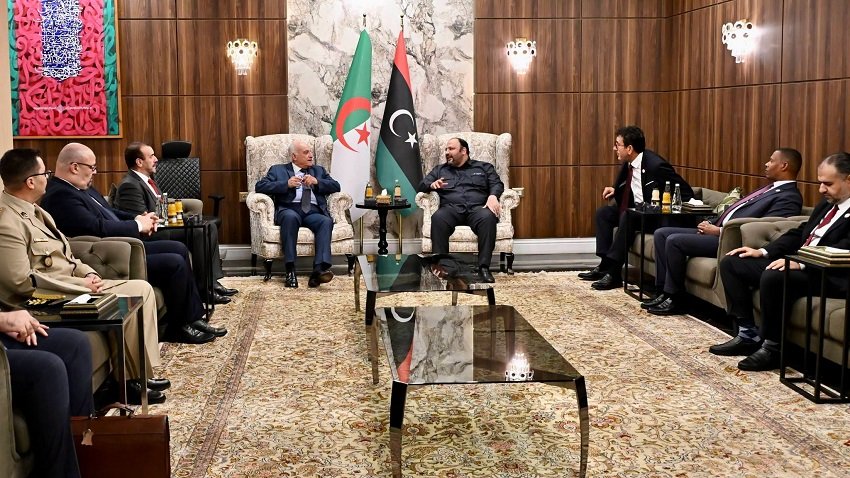
Ahmed Attaf in Tripoli to Support UN Security Council Reform
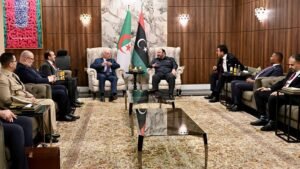
Algerian Minister of State and Minister of Foreign Affairs, the National Community Abroad, and African Affairs, Ahmed Attaf, arrived today in the Libyan capital, Tripoli, to participate in the proceedings of the 14th ministerial meeting of the Committee of Ten Heads of State and Government of the African Union concerned with the reform of the United Nations Security Council, scheduled to take place on October 10 and 11, 2026.
The Algerian minister’s participation comes at the direction of the President of the Republic, as part of ongoing African efforts to advance the Security Council reform process and strengthen the continent’s common position on the future of the global governance system, in a manner that responds to African countries’ aspirations for fairer and more equitable representation within international institutions.
The meeting is particularly significant given its connection to one of the key issues on the international reform agenda: reviewing the composition of the Security Council and the mechanisms governing representation within it, in order to address historical imbalances that African countries believe continue to affect the continent’s presence and participation in international decision-making.
This participation falls within the framework of Algerian diplomatic efforts aimed at contributing to the coordination of African positions on priority international issues and strengthening joint action within the African Union, particularly on matters related to reforming multilateral institutions and developing their working mechanisms.
The African Committee of Ten Continues Its Efforts to Reform the Security Council
The 14th ministerial meeting of the Committee of Ten represents another milestone in the African Union’s efforts to advance reform of the United Nations Security Council, within a vision aimed at ensuring fair African representation in one of the most important UN bodies responsible for international peace and security.
The meeting takes place amid continued efforts by African countries to correct historical imbalances in the global governance system and work toward developing an international order that more accurately and equitably reflects the realities of the international community and the aspirations of different continents.
The importance of this process centers on the need to address the issue of representation within the Security Council, enabling Africa to participate in a manner that reflects the aspirations of its peoples and the positions of its countries, while strengthening the continent’s presence in discussions and decisions affecting international peace and security.
The meeting is expected to provide a forum for continued coordination on this issue and the exchange of views on ways to strengthen a common African position, within the framework of the African Union’s efforts to defend the continent’s interests in negotiations concerning Security Council reform.
The continued holding of ministerial meetings of the Committee of Ten reflects the importance of maintaining coordination among the African countries involved in this process, given that achieving reform that addresses existing imbalances requires a clear and cohesive continental position based on a shared vision of the changes sought within the UN system.
Security Council Reform and the Correction of Historical Imbalances
Reforming the Security Council is one of the most prominent issues in discussions on developing the United Nations system, given the central role this body plays in matters related to international peace and security.
African demands stem from the need to address what countries across the continent describe as historical imbalances in the global governance system and to ensure fairer participation in international institutions that make decisions with a broad impact on relations among countries.
This demand is particularly important because reforming multilateral institutions is not merely a matter of modifying organizational structures. It is also connected to the ability of these institutions to accommodate the aspirations of different geographical regions and provide more balanced opportunities to participate in discussing international issues and making decisions on them.
In this context, African countries, through joint action within the African Union, are seeking to advance reforms that guarantee fair and equitable African representation on the Security Council, in line with the continent’s common positions on developing the international order.
This approach places the issue of representation at the heart of discussions concerning the Council’s future, considering it a fundamental element in addressing existing gaps in the global governance system and strengthening African countries’ participation in shaping international decisions.
Ensuring Fair African Representation Within the Pivotal UN Body
Ensuring fair and equitable African representation within the Security Council is one of the main objectives guiding the continent’s efforts to reform the United Nations.
This approach is based on a common African position calling for the correction of historical imbalances in the global governance structure, allowing the continent to achieve a fairer presence in the pivotal UN body responsible for international peace and security.
Efforts in this area seek to strengthen countries’ ability to participate in international discussions related to their interests and those of their peoples, while ensuring that the structure of international institutions does not remain disconnected from the continent’s aspirations for more balanced participation in global affairs.
From this perspective, the Committee of Ten’s ministerial meeting represents an opportunity to continue consultations on ways to strengthen the African position and emphasize the importance of treating Security Council reform as part of a broader process to develop the multilateral system.
The importance of continental coordination is also evident in its role in unifying perspectives on reform and identifying shared priorities that can support African engagement in international forums, while respecting the positions of member states and their aspirations for a more representative and equitable global order.
Algerian Diplomacy Within the Framework of Joint African Action
Ahmed Attaf’s participation in the 14th ministerial meeting of the Committee of Ten comes within the context of Algeria’s engagement in African efforts to develop the international system and strengthen the African Union’s role in addressing issues related to global governance.
The nature of this participation, which takes place at the direction of the President of the Republic, reflects Algeria’s interest in issues related to reforming multilateral institutions and the importance of coordinating African positions on matters that require collective action and sustained diplomatic engagement.
This initiative also falls within the responsibilities of the Minister of State and Minister of Foreign Affairs, the National Community Abroad, and African Affairs, in following up on issues related to international relations and African affairs and contributing to stronger coordination among countries on shared priority issues.
Ministerial meetings held within the framework of the African Union are important as platforms for consultation among officials and for continued discussion of issues on the continental agenda, including the reform of international institutions and ensuring more effective African participation in shaping their direction.
Through its participation in this process, Algeria continues to engage in collective efforts aimed at strengthening the continent’s presence in international discussions and defending its common positions on reforming the multilateral system.
Tripoli Hosts a New Milestone in the International Reform Process
The Libyan capital, Tripoli, will host the proceedings of the 14th ministerial meeting of the African Committee of Ten concerned with Security Council reform on October 10 and 11, 2026, as part of ongoing efforts to coordinate the continent’s position on this issue.
The meeting comes at a time when discussions continue regarding the future of international institutions and ways to develop the global governance system so that it becomes more responsive to the aspirations of different countries and regions.
The significance of this meeting lies in continuing African consultations on the desired reforms and emphasizing the need to address historical imbalances within the global governance system while ensuring fair and equitable African representation on the Security Council.
The meeting also reflects the African Union’s commitment to keeping this issue among the priorities of continental action and continuing joint efforts to achieve reforms that align with African countries’ aspirations and positions regarding the future of the multilateral system.
With Ahmed Attaf’s participation, Algeria continues its engagement in this African process, which aims to strengthen continental representation on the Security Council and support efforts to develop a fairer and more balanced international system that accommodates Africa’s aspirations and its role in global affairs.
Share this content:



إرسال التعليق