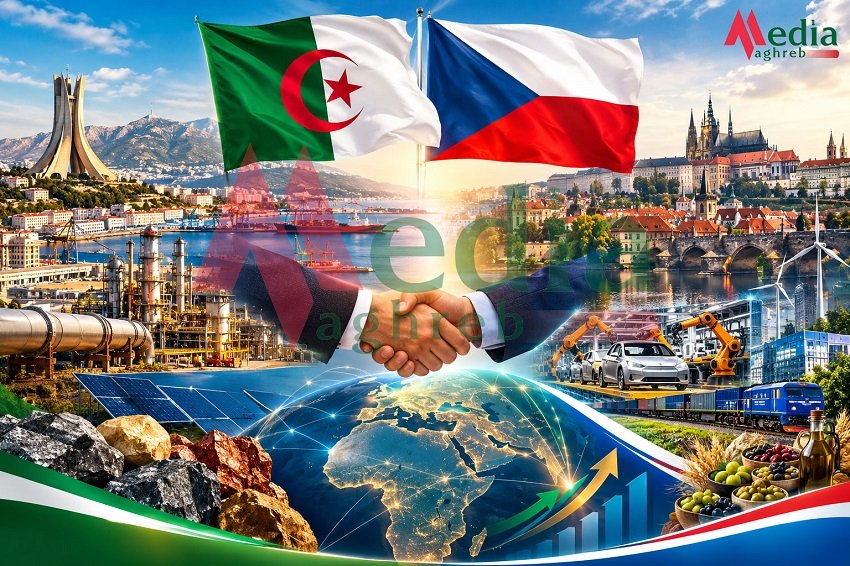
Algeria–Czech Republic Relations: Andrej Babiš Visit Opens New Opportunities for Trade and Investment
Algeria–Czech Republic relations are entering a new phase of diplomatic and economic engagement following the official visit of Czech Prime Minister Andrej Babiš to Algeria on October 26–27, 2026. Leading a high-level delegation of government officials and business representatives, Babiš arrived at a time when Algeria is seeking to diversify its economy and reduce its dependence on hydrocarbons, while the Czech Republic is exploring opportunities to expand industrial partnerships, strengthen trade and develop new investment links.
The visit carries significance beyond diplomatic meetings and the signing of memorandums of understanding. Its broader importance lies in whether both countries can translate their longstanding relations into productive projects, sustainable investment and mutually beneficial commercial partnerships. Potential areas of cooperation include industry, technology, energy and mining, with Algeria seeking to benefit from Czech industrial expertise while leveraging its geographical position and economic links across Africa.
Algeria and the Czech Republic: From Diplomatic Engagement to Practical Economic Cooperation
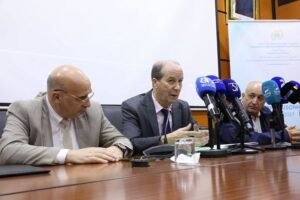
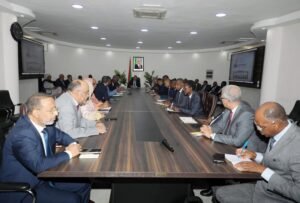
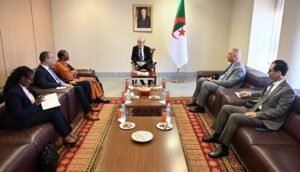
The official visit featured bilateral talks between Algerian Prime Minister Sifi Ghrieb and his Czech counterpart, Andrej Babiš, at the Government Palace in Algiers. The discussions were followed by expanded talks involving both delegations and focused on the current state of bilateral relations and prospects for further development.
Both sides emphasized the importance of strengthening political dialogue and expanding economic, trade and investment cooperation.
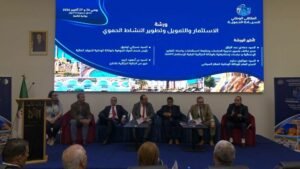
Algerian President Abdelmadjid Tebboune also received the Czech prime minister as part of the official programme, which included economic and institutional meetings aimed at opening new channels of cooperation. The visit coincided with the Algerian-Czech Business Forum, bringing together business leaders and economic operators from both countries to explore investment opportunities and potential partnerships across several sectors.
The significance of these developments lies in their potential to move bilateral relations towards practical economic outcomes. Political dialogue becomes more valuable when it helps businesses overcome obstacles, facilitates trade, encourages technical cooperation and establishes lasting coordination mechanisms between economic institutions.
From this perspective, the visit can be viewed as an effort to build a more structured and consistent framework for Algeria–Czech Republic relations, rather than leaving cooperation dependent on isolated initiatives or meetings that are not followed by clear implementation plans.
Algeria–Czech Republic Agreements: What Do They Mean for Trade and Investment?
One of the main outcomes of the visit was the signing of four announced memorandums of understanding covering the establishment of an Algerian-Czech Business Council and cooperation in civil protection, geology and cinematography.
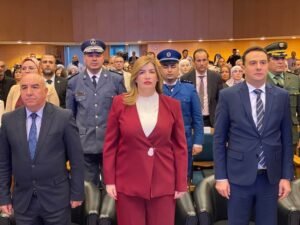
Algerian Prime Minister Sifi Ghrieb and Czech Prime Minister Andrej Babiš attended the signing ceremony in Algiers on October 26, 2026.
The economic value of these agreements will depend on the nature of each initiative and the extent to which the memorandums are translated into funded programmes, joint projects and measurable results.
- Algerian-Czech Business Council
The proposed Algerian-Czech Business Council represents one of the most important institutional mechanisms announced during the visit for supporting bilateral trade and investment.
The council could provide a permanent channel for communication between companies, facilitate the exchange of market information, identify commercially viable projects and connect investors with potential local partners.
Its importance lies particularly in bridging the gap between government-level agreements and the practical needs of the private sector. To achieve this, the council would need a regular meeting schedule, a database of investment opportunities and an effective mechanism for monitoring projects agreed upon by both sides.
- Cooperation in Geology and Mineral Resources
Cooperation in geology could create opportunities for joint geological surveys, technical knowledge exchange and the use of modern technologies to assess natural resources.
Such expertise could support the development of knowledge about Algeria’s mineral wealth, improve pre-investment studies for mining projects and strengthen the technical assessment of available resources.
However, a memorandum of understanding does not, by itself, confirm the discovery of new reserves or the launch of mining projects. The economic impact will depend on the technical programmes adopted, the data exchanged and the investment allocated to implementation.
- Civil Protection and Emergency Management
The civil protection agreement could facilitate the exchange of expertise in disaster management, emergency response and technical training, subject to the programmes developed by the relevant authorities.
Beyond its direct operational value, this cooperation could have wider economic benefits by reducing potential losses caused by accidents and disasters, strengthening institutional preparedness and helping protect infrastructure and productive activities.
Practical training initiatives and the sharing of operational experience could be important components of this cooperation if they are incorporated into subsequent implementation plans.
- Cinematography and Cultural Industries
Cooperation in cinematography offers opportunities to strengthen cultural and artistic exchange between Algeria and the Czech Republic.
Depending on the programmes adopted, the agreement could support joint film production, professional training and the exchange of technical expertise. These initiatives could contribute to the development of cultural industries and create opportunities for companies, filmmakers and creative professionals in both countries.
As with the other memorandums, the scale of the benefits will depend on whether the agreement leads to practical programmes and sustained collaboration.
Industrial Cooperation and Technology: A Major Opportunity for Algeria and the Czech Republic
Industrial cooperation emerged as a central theme of the visit. Discussions between Algeria’s industry minister and the Czech delegation addressed ways to develop industrial partnerships and joint investment, reflecting an interest in moving beyond conventional trade towards greater productive cooperation.
The Czech Republic has an established industrial base that includes automotive manufacturing and components, machinery and equipment, electrical engineering and industrial technologies. These capabilities could create opportunities for cooperation with Algeria in areas such as local manufacturing, supply-chain development, technical knowledge transfer, vocational training and the modernisation of production lines.
For Algeria, the potential benefits extend beyond importing Czech machinery and industrial equipment. The greater opportunity lies in integrating this technology and expertise into the domestic economy to strengthen national production, create jobs and increase local added value.
If bilateral cooperation results in joint manufacturing facilities rather than simply the supply of finished products, Czech companies could gain access to the Algerian market while Algerian businesses benefit from advanced technology and industrial know-how. Such partnerships could also provide a foundation for developing products intended for other African markets.
Achieving these outcomes, however, would require clear agreements covering local content, workforce training, technology transfer, intellectual property rights, maintenance arrangements, financing and expected demand. A stable regulatory environment and efficient procedures for establishing projects and resolving commercial disputes would also be important.
The proposed Algerian-Czech Business Council could play a valuable role in this process by translating political interest into specific investment opportunities, assessing potential partners and connecting companies with financial institutions and relevant government agencies.
Energy Security and Mining: Where Strategic Interests Could Converge
Energy remains an important component of the economic relationship between the two countries, although their respective needs and priorities differ.
Algeria possesses significant oil and natural gas resources and plays a role in supplying energy to Europe. European countries, meanwhile, continue to focus on diversifying supply sources and strengthening energy security amid geopolitical developments and changes in global energy markets.
During the visit, Babiš praised Algeria’s strategic role in regional stability and European energy security, while calling for stronger bilateral relations through tangible partnership projects.
Mining presents another potential area for cooperation. The memorandum covering geology could provide an entry point for technical collaboration ahead of investment in mineral resources. Accurate geological exploration and assessment are essential for determining project feasibility, estimating extraction costs, selecting appropriate technologies and evaluating environmental impacts.
If cooperation develops into practical projects, Algeria could benefit from Czech engineering and technical expertise in areas related to industrial equipment and mineral processing. Czech companies, in turn, could explore opportunities to supply technical solutions for Algerian projects according to market requirements and investment conditions.
From an economic perspective, the greater opportunity may lie in processing resources and manufacturing industrial components locally rather than relying exclusively on raw-material extraction or importing finished products. Such an approach could increase domestic value creation and strengthen the links between mining and downstream manufacturing.
Algiers Tramway Visit Highlights the Importance of Technical Expertise
The official programme also included a visit by the Czech prime minister to the Algiers Tramway operating unit in Bordj El Kiffan on October 27, 2026. During the visit, he toured operational facilities, the control centre and maintenance workshops.
The visit highlighted the technical and operational dimensions of urban transport, a sector that depends on engineering, maintenance, asset management and efficient infrastructure operations.
Modern public transport systems require more than purchasing vehicles or constructing railway lines. They also depend on skilled personnel, spare-parts availability, monitoring systems, preventive maintenance and effective management of operating costs.
Transport could therefore become another potential area for technical and industrial cooperation between Algeria and the Czech Republic, given the Czech industrial and engineering base.
Nevertheless, the inspection of the Algiers Tramway operating unit does not, in itself, indicate that a new contract has been signed to develop Algeria’s transport network. Rather, it was one element of the official visit that could help identify infrastructure needs and areas where technical expertise may be relevant.
The real opportunity would be to translate such exchanges into practical projects involving knowledge transfer, engineering and technical training, improved operational efficiency, better maintenance services and potentially greater cooperation in transport-related industries, subject to economic feasibility and the necessary agreements.
How Could Czech Investment Support Algeria’s Economic Diversification?
The potential economic impact of Algeria–Czech Republic relations will depend largely on whether cooperation expands into productive sectors beyond hydrocarbons.
Discussions between the two countries highlighted the importance of expanding cooperation in industry, agriculture, energy, mining and the knowledge economy, alongside other areas including culture and civil protection. The Algerian side presented investment opportunities available in the country, while the Czech delegation expressed interest in exploring the Algerian market.
The potential impact of this partnership can be assessed through five main economic pathways.
Diversifying Algeria’s Productive Economy
Joint industrial projects could help Algeria develop new productive sectors, reduce dependence on imports for selected goods and equipment, and increase the contribution of non-oil activities to the national economy.
The scale of this benefit would depend on the types of projects established, their competitiveness and their ability to meet domestic or export demand.
Creating Jobs and Developing Technical Skills
Projects that combine local production with vocational training could create employment opportunities for engineers, technicians and industrial workers.
They could also help transfer expertise to Algerian companies, strengthen the domestic skills base and improve the long-term capacity of local industries.
Improving Productivity and Local Value Creation
Advanced technologies and industrial equipment could improve product quality, operational efficiency and resource utilisation.
However, these gains would require actual investment, workforce development and continuous improvements in production processes. Technology acquisition alone would not guarantee higher productivity.
Expanding Exports and Access to New Markets
Partnerships with Czech companies could create opportunities to develop products for European and African markets, drawing on Algeria’s geographical position and regional commercial relationships.
Access to these markets would nevertheless depend on meeting applicable technical standards, rules of origin and other relevant trade requirements.
Attracting Investment and Improving the Business Environment
Permanent communication channels between investors and government institutions could help clarify investment opportunities, administrative procedures and market requirements.
The actual volume of investment, however, would remain dependent on expected returns, financing conditions, regulatory stability and the commercial viability of individual projects.
Ultimately, these outcomes will depend on implementation rather than the number of agreements signed. A single memorandum could lead to a commercially significant industrial partnership, while other agreements might remain limited to institutional cooperation if they lack funding, implementation schedules and measurable performance indicators.
Algeria’s Strategic Position: A Potential Gateway for Czech Companies to Africa
The significance of Algeria–Czech Republic relations extends beyond bilateral trade. It is also linked to Algeria’s position in North Africa and the Sahel, as well as its economic relationships across the African continent.
During the discussions, the Algerian side highlighted the potential of the domestic market as an investment destination and a possible gateway to African markets, particularly within the framework of the African Continental Free Trade Area.
From a commercial perspective, Czech companies could view Algeria both as a market in its own right and as a potential base for developing production and distribution activities serving other markets, provided the necessary commercial and logistical conditions are met.
Algerian companies, meanwhile, could benefit from European partnerships by improving product quality, upgrading industrial processes and acquiring technical expertise.
It is important to note, however, that manufacturing in Algeria does not automatically grant preferential access to all African or European markets. Exports remain subject to the rules of origin, technical standards and applicable trade agreements governing each destination.
For this reason, partnerships designed with export markets in mind from the outset may be more effective than projects that rely exclusively on domestic demand. The proposed Algerian-Czech Business Council could help identify competitive sectors and products and encourage market research before investment decisions are made.
Key Challenges That Could Determine the Success of Algeria–Czech Republic Relations
Despite the opportunities, turning diplomatic momentum into tangible economic results will require both countries to address several practical challenges.
Financing and investment risk represent the first major consideration. Industrial and technology projects often require long-term capital, credit guarantees and mechanisms for sharing risks between investors and their partners.
Regulatory clarity and administrative efficiency are equally important. Investors need predictable procedures covering investment licences, customs, financial transfers, dispute resolution, contractual protection and intellectual property rights.
Identifying mutually beneficial commercial interests is another essential requirement. Successful partnerships must deliver clear economic value to Algerian companies through Czech technology and expertise, while offering Czech investors genuine market demand and an attractive return on investment.
Institutional follow-up and implementation will also be decisive. Memorandums of understanding need defined timelines, assigned responsibilities, pilot projects and measurable progress indicators. Without these mechanisms, the momentum generated by official visits may gradually lose its practical impact.
The real test of Algeria–Czech Republic relations will therefore not be the number of meetings held during the visit, but the number of projects that reach implementation, the volume of investment mobilised, the local value created and the jobs and exports generated.
From Political Rapprochement to a Productive Economic Partnership
The October 26–27, 2026, visit of Czech Prime Minister Andrej Babiš to Algeria reflects an expressed desire by both countries to give bilateral relations renewed momentum and expand cooperation in industry, trade, investment, mining and other sectors.
The establishment of an Algerian-Czech Business Council, alongside memorandums of understanding covering geology, civil protection and cinematography, represents a step towards organising this cooperation within a more structured and potentially sustainable institutional framework.
For Algeria, the main opportunity lies in using the relationship to support economic diversification, broaden the domestic production base, benefit from European industrial and technical expertise, and strengthen the competitiveness and export capacity of local businesses.
For the Czech Republic, closer engagement could open new commercial opportunities in the Algerian market and create scope for long-term productive partnerships.
Nevertheless, the economic impact of the visit will ultimately depend on whether memorandums of understanding lead to contracts, funded projects and practical implementation. Political rapprochement can create favourable conditions for cooperation, but it cannot replace feasibility studies, commercial competitiveness, transparency or the measurement of economic returns.
The strategic value of the visit will therefore be determined by the ability of both countries to build a balanced economic relationship in which Algeria moves beyond its role as a destination for imported products towards becoming a partner in manufacturing, knowledge transfer and export development.
For Algeria and the Czech Republic, the next step is to turn diplomatic engagement into a sustainable network of shared industrial and commercial interests—one capable of delivering measurable benefits to businesses, workers and the wider economy
Share this content:

إرسال التعليق