Algeria’s Parliament Approves Army Deployment Notification for Niger
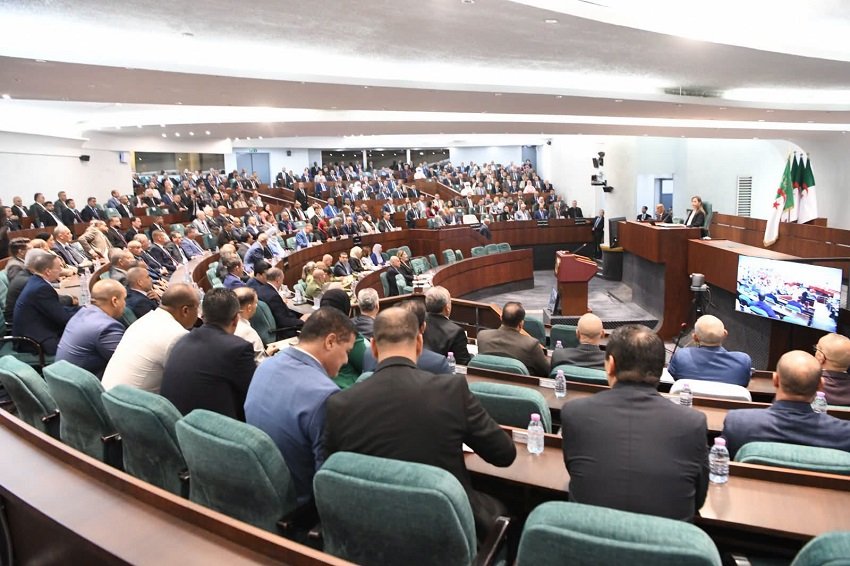
Algeria’s Council of the Nation and People’s National Assembly approved, in separate closed plenary sessions on Sunday, October 25, 2026, a notification submitted by President Abdelmadjid Tebboune concerning the deployment of units of the People’s National Army outside the country to the Republic of Niger.
The two sessions were held in accordance with Article 136, Paragraph 3, of the Algerian Constitution, which provides for closed parliamentary sessions. The presidential notification, dated October 22, 2026, was submitted pursuant to Article 91, Clause 2, of the Constitution.
The decisions followed presentations by Ahmed Attaf, Minister of State and Minister of Foreign Affairs, the National Community Abroad and African Affairs, who attended in his capacity as the representative of the President of the Republic. Parliamentary group representatives subsequently took the floor to discuss the notification, expressing confidence in the President’s judgment and highlighting the objectives associated with the proposed deployment.
According to the statements issued following the sessions, the rationale presented for the decision focused on protecting energy interests and implementing the provisions of a bilateral agreement signed between Algeria and Niger, two neighbouring countries.
Council of the Nation Unanimously Approves the Notification
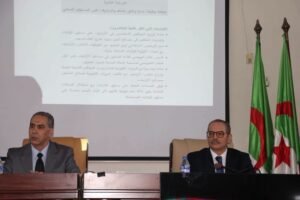
The Council of the Nation held its closed plenary session under the chairmanship of Azouz Nasri, President of the Council, on Sunday, October 25, 2026. The session was dedicated to examining and approving the presidential notification concerning the deployment of units of the People’s National Army outside Algeria, specifically to the Republic of Niger.
The proceedings took place under the provisions of Article 136, Paragraph 3, of the Constitution. The notification itself was dated October 22 and referred to Article 91, Clause 2, which establishes the constitutional basis cited for the presidential measure.
Ahmed Attaf presented the notification to members of the Council of the Nation on behalf of President Abdelmadjid Tebboune. The session was also attended by Nadjiba Djilali, Minister of Parliamentary Relations, as well as senior officers of the People’s National Army.
Following the minister’s presentation, the Council heard interventions from the presidents of parliamentary groups and/or their representatives, along with the representative of members who do not belong to a parliamentary group.
During the discussion, speakers expressed their full confidence in the President’s judgment. They outlined the reasons and considerations behind the decision to invoke Article 91 of the Constitution, while also addressing the intended objectives of the proposed deployment.
The arguments presented during the session centred on safeguarding energy interests and translating the provisions of the bilateral agreement signed between Algeria and Niger into practice. These considerations were highlighted as key elements underpinning the notification submitted for parliamentary approval.
148 Votes in Favour in the Council of the Nation
The Council of the Nation’s vote resulted in unanimous approval among those who voted. The notification received 148 votes in favour out of 148 votes cast, with no dissenting votes reported in the official statement.
The total comprised 131 members present in person and 17 members represented by proxy. The figures were announced in connection with the constitutional requirement cited for approval of the notification.
According to the Council’s statement, Article 91, Clause 2, requires the approval of two-thirds of the members of the Council of the Nation. The statement identified the required threshold as 116 votes.
With 148 votes in favour, the Council of the Nation approved the notification unanimously, exceeding the stated threshold. The result formalised the chamber’s approval of the presidential notification concerning the deployment of army units to Niger.
The vote followed the closed-session procedure and the parliamentary interventions held before the decision. The official account linked the approval to the constitutional provisions cited in the notification and to the stated objectives of protecting energy interests and implementing the bilateral agreement between the two neighbouring countries.
People’s National Assembly Approves the Notification by an Absolute Majority
The People’s National Assembly also held a closed plenary session on Sunday, October 25, 2026, to consider the same presidential notification concerning the deployment of units of the People’s National Army outside the national territory to the Republic of Niger.
The session was chaired by Khalida Boufedouch, President of the People’s National Assembly, and attended by Nadjiba Djilali, Minister of Parliamentary Relations.
As in the Council of the Nation, Ahmed Attaf presented the notification on behalf of President Abdelmadjid Tebboune. The notification was dated October 22, 2026, and submitted under Article 91, Clause 2, of the Constitution.
The Assembly’s proceedings were conducted in accordance with Article 136, Paragraph 3, which was cited as the constitutional basis for holding the session behind closed doors.
After the presentation, the Assembly heard interventions from the presidents of parliamentary groups. Their contributions addressed the reasons for activating Article 91, the considerations underlying the proposed deployment, and the objectives that the presidential notification seeks to achieve.
The parliamentary group leaders expressed confidence in the President’s judgment and highlighted the importance of protecting energy interests and implementing the bilateral agreement signed between Algeria and Niger.
Following the discussion, members of the People’s National Assembly approved the notification by an absolute majority of those present, according to the official statement released after the session.
The statement did not specify the exact number of votes cast in the Assembly. It nevertheless confirmed that the notification had secured the required approval under the procedure reported by the chamber.
Constitutional Framework Behind the Parliamentary Decisions
The approval process was presented by both chambers as being grounded in the Algerian Constitution, with the official statements referring specifically to two provisions.
Article 136, Paragraph 3, was cited as the basis for convening the closed plenary sessions. Both the Council of the Nation and the People’s National Assembly held their proceedings behind closed doors while considering the presidential notification.
Article 91, Clause 2, was cited as the provision under which President Abdelmadjid Tebboune submitted the notification concerning the deployment of units of the People’s National Army outside Algeria.
The Council of the Nation’s statement explicitly identified a two-thirds approval threshold of 116 votes. Its final tally showed 148 votes in favour, including votes cast by members present and those represented by proxy.
The People’s National Assembly, meanwhile, announced that it had approved the notification by an absolute majority of members present. Its statement did not provide a detailed voting breakdown.
The two chambers’ decisions therefore reflected separate parliamentary votes on the same presidential notification, with each chamber reporting its outcome through its own official communication.
Energy Interests and Bilateral Cooperation with Niger
The protection of energy interests and implementation of the bilateral agreement between Algeria and Niger were central themes in the explanations reported during both parliamentary sessions.
Members who spoke during the proceedings highlighted these considerations while expressing confidence in the President’s judgment. The official statements presented them as key reasons behind the activation of Article 91 and the objectives associated with the proposed deployment.
Algeria and Niger share a border, and the notification was framed in the parliamentary accounts within the context of the relationship between the two neighbouring countries. The references to energy interests and bilateral commitments underscored the importance attached to these factors in the decision presented to lawmakers.
However, the statements provided about the sessions did not detail the operational scope, duration, size, mission structure or specific activities of the units concerned. They also did not set out additional military arrangements beyond identifying the destination as the Republic of Niger.
Accordingly, the parliamentary approvals confirm the outcome of the constitutional notification process as reported by the two chambers, while the official accounts available in the supplied statements focus primarily on the legal basis, parliamentary deliberations, voting results and stated objectives.
Two Chambers Complete Their Votes on the Presidential Notification
The Council of the Nation and the People’s National Assembly both approved President Abdelmadjid Tebboune’s notification on Sunday, October 25, 2026, concerning the deployment of units of the People’s National Army to Niger.
The Council of the Nation reported unanimous approval, with 148 votes in favour out of 148 votes cast, against the stated threshold of 116 votes. The People’s National Assembly announced approval by an absolute majority of those present, without publishing an exact vote count in its statement.
Both sessions featured a presentation by Ahmed Attaf in his capacity as the President’s representative, followed by parliamentary interventions addressing the rationale and objectives of the notification. The official accounts identified the protection of energy interests and implementation of the bilateral agreement between Algeria and Niger as central considerations.
The decisions mark the completion of the approval votes reported by both parliamentary chambers on the presidential notification. Their statements also emphasised the constitutional provisions governing the closed sessions and the procedure under which the notification was submitted.
Share this content:





إرسال التعليق