Algeria Keeps November Oil Output at 1.007 Million Barrels per Day
Algeria will maintain its oil output at 1.007 million barrels per day in November 2026, following a ministerial coordination meeting involving the seven OPEC+ countries that had undertaken voluntary production adjustments.
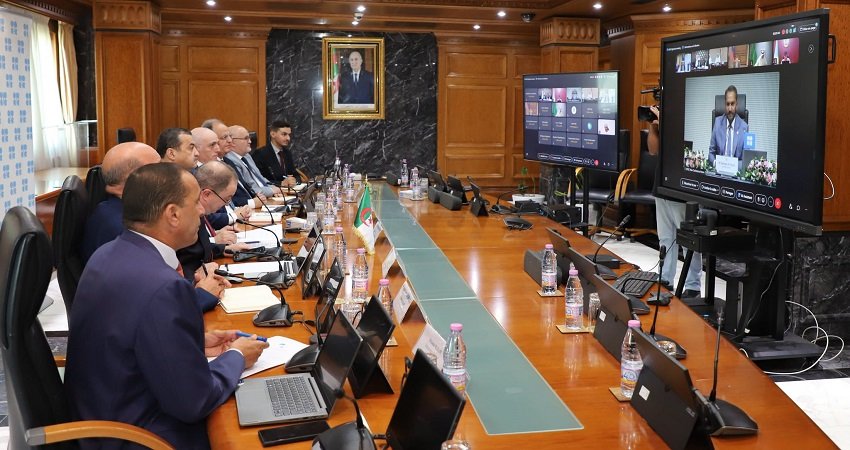
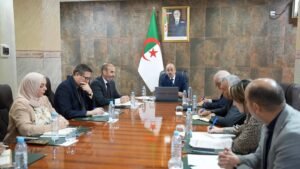
The decision was reached during a series of ministerial meetings held on Sunday, October 4, 2026, in which Mohamed Arkab, Minister of State and Minister of Hydrocarbons, participated remotely via videoconference. The meetings focused on monitoring the implementation of decisions adopted under the OPEC+ Declaration of Cooperation and assessing the latest developments in the global oil market.
The outcome confirms the continuation of Algeria’s current production level during November, while the participating countries opted to maintain their combined production levels without modification.
Mohamed Arkab Takes Part in OPEC+ Ministerial Coordination
Mohamed Arkab participated in the coordination meeting of the seven OPEC+ countries that had introduced voluntary adjustments to their oil production.
The meeting brought together, alongside Algeria, the ministers responsible for oil affairs from Saudi Arabia, Iraq, Kazakhstan, Kuwait, Oman and Russia. The gathering provided an opportunity for the participating countries to review recent developments in international oil markets and assess the implementation of their agreed production arrangements.
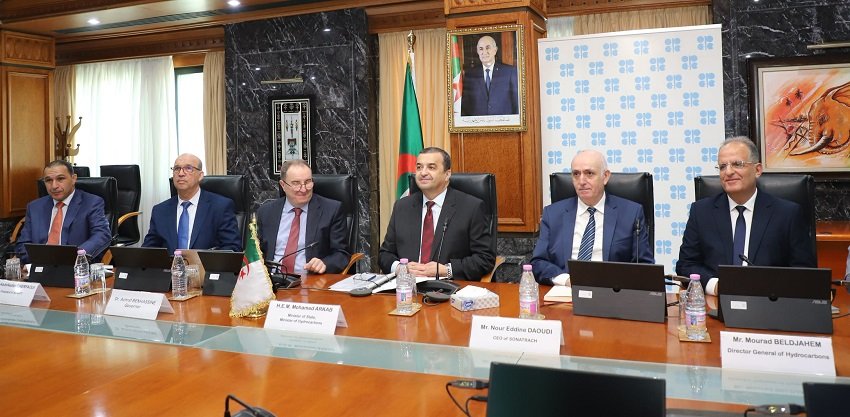
The Algerian delegation also included Noureddine Daoudi, President and Chief Executive Officer of Sonatrach, Abdelkader Cherfaoui, President of the National Agency for the Valorization of Hydrocarbon Resources, as well as senior officials from the hydrocarbons sector.
The participation of senior Algerian energy officials underlined the importance attached to the continued coordination of oil-producing countries and the monitoring of developments affecting the international energy market.
Seven OPEC+ Countries Agree to Keep Production Unchanged
Following their discussions and in light of the latest developments in the global oil market, the seven participating countries agreed to extend their overall production levels for November without any changes.
The decision means that the production framework currently applied by the seven countries will remain in place during the coming month. Rather than introducing a new adjustment, the participating states chose to preserve the existing levels while continuing to monitor market developments.
For Algeria, the decision means that its oil output will remain at 1.007 million barrels per day throughout November 2026.
The decision reflects the approach adopted within OPEC+, which relies on regular consultations among participating producers and periodic assessments of market conditions before determining whether production levels should be adjusted.
Algeria’s Role in OPEC+ Coordination
Algeria’s participation in the ministerial discussions comes within its continued engagement in the coordination mechanisms established under the OPEC+ framework.
The Declaration of Cooperation provides a platform for participating oil-producing countries to coordinate their positions and follow developments in the global petroleum market. Regular ministerial consultations allow members to assess production trends and evaluate the implementation of previously agreed measures.
For Algeria, maintaining its current production level for November represents the continuation of the existing framework following the latest assessment by the participating countries.
The decision also highlights the importance of collective consultations in addressing changing conditions in international oil markets, particularly as producing countries continue to monitor supply, demand and broader market developments.
68th JMMC Meeting Reviews Compliance
Alongside the meeting of the seven countries, Mohamed Arkab also participated in the 68th meeting of the Joint Ministerial Monitoring Committee (JMMC).
The committee brought together representatives from Algeria, Saudi Arabia, Iraq, Kuwait, Nigeria, Venezuela, Kazakhstan and Russia.
The JMMC meeting focused on assessing the level of compliance by participating OPEC+ countries with their commitments concerning voluntary production adjustments during July and August 2026.
The committee’s monitoring work forms part of the broader mechanism through which OPEC+ countries assess the implementation of their collective decisions and review the efforts made by participating producers to meet their respective commitments.
Monitoring Voluntary Production Adjustments
During the meeting, the committee reviewed the level of implementation of the voluntary production adjustments and noted the efforts made by participating countries to ensure compliance with their commitments.
The assessment of production commitments remains an important component of the OPEC+ coordination process. Regular monitoring allows participating countries to evaluate the implementation of collective decisions and maintain a shared understanding of developments within the oil market.
The discussions also reaffirmed the importance of sustained compliance with the decisions agreed collectively by the participating countries.
According to the outcome of the meeting, the committee emphasized that strict and sustained adherence to collective decisions is a fundamental element of cooperation among participating countries.
Collective Commitment to Oil Market Stability
The JMMC reaffirmed that compliance with collective decisions contributes directly to supporting the stability and balance of the global oil market.
This emphasis on continued adherence reflects the role assigned to the monitoring committee within the OPEC+ framework, particularly in following the implementation of production commitments and assessing the effectiveness of agreed measures.
The committee’s work also demonstrates the importance of continued coordination among major oil-producing countries at a time when international markets remain closely linked to changes in production levels and broader developments in the global economy.
For Algeria, participation in the JMMC meeting provided an opportunity to contribute to this collective monitoring process while maintaining its established production position within OPEC+.
Algeria’s November Output Remains Unchanged
With the decision to extend the existing production levels for November, Algeria oil output will remain at 1.007 million barrels per day.
The unchanged level follows the joint assessment carried out by the participating countries and reflects the decision not to introduce additional changes to the overall production levels of the seven countries for the coming month.
The Algerian position therefore remains aligned with the collective framework agreed among the participating producers, while the country’s representatives continue to take part in the regular ministerial consultations and monitoring mechanisms established under OPEC+.
The November decision further confirms the importance of coordinated production management within the alliance, with participating countries continuing to assess market conditions and compliance before determining future steps.
Continued Coordination Within OPEC+
The latest ministerial meetings once again placed coordination and monitoring at the center of the OPEC+ process.
Through the meeting of the seven countries and the 68th JMMC session, participating states reviewed both the broader direction of production levels and the implementation of voluntary adjustments during July and August.
For Algeria, the outcome is clear: its 1.007 million barrels-per-day production level will remain unchanged in November 2026.
At the same time, the JMMC’s reaffirmation of sustained compliance underlines the continued importance of collective action in supporting stability and balance in the global oil market.
Algeria’s participation in both meetings, represented by Minister of State and Minister of Hydrocarbons Mohamed Arkab, reflects the country’s continued involvement in the OPEC+ coordination process and its commitment to the collective decisions adopted within the framework of the Declaration of Cooperation.
Share this content:




إرسال التعليق