NAPEC 2026 to Put Algeria’s Energy Transformation in the Spotlight
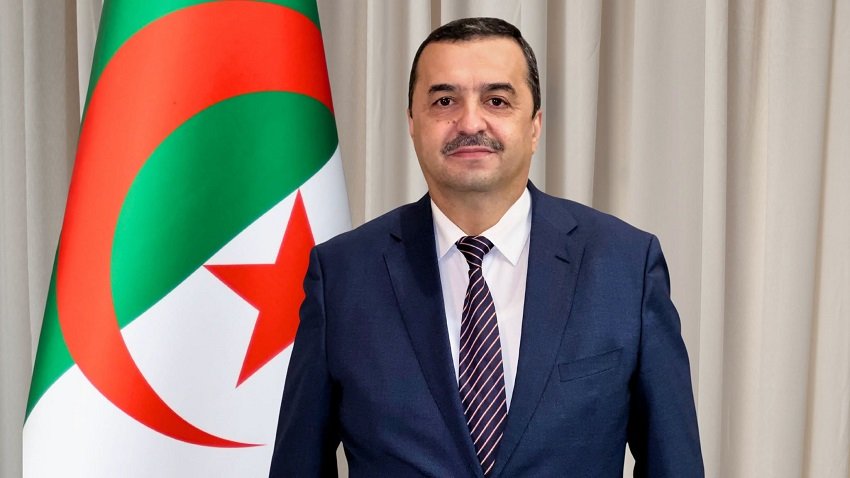
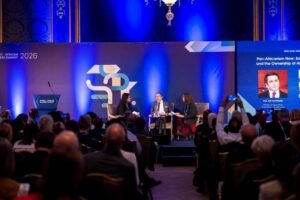
Algeria is set to host the 14th edition of the North Africa Energy and Hydrogen Exhibition and Conference, NAPEC 2026, with Minister of State and Minister of Hydrocarbons Mohamed Arkab scheduled to oversee the official opening on Monday, October 5, 2026, at the Mohamed Ben Ahmed Convention Centre in Oran.
Running through October 7, the event brings together major players from Algeria, Africa, the Mediterranean region and international energy markets to discuss the future of energy systems, the evolution of the global energy mix and the challenges associated with ensuring secure, affordable and increasingly low-carbon energy supplies.
The 14th edition is being held under the theme: “Towards a New Approach to the Energy Mix, from Energy Transition to Energy Addition: Ensuring Energy Security, Affordability and Decarbonization.”
The theme places the evolution of energy systems at the center of discussions while emphasizing the need to balance energy security, economic accessibility and emissions reduction.
More Than 450 Exhibitors and 230 Speakers
NAPEC 2026 is expected to bring together more than 450 exhibitors and over 230 speakers, representing a broad range of companies, institutions and organizations active across the energy value chain.
Participants include national and international oil and gas companies, technology and solutions providers, engineering and project development companies, public institutions, research centers and universities.
The scale and diversity of participation provide a platform for discussions extending beyond traditional hydrocarbons to include hydrogen, low-carbon technologies, renewable energy, digital transformation and energy efficiency.
The event is therefore designed to facilitate exchanges between policymakers, industry executives, researchers, technology providers and other stakeholders working on the future of energy production, infrastructure and consumption.
Senior Officials and Industry Leaders to Attend
The opening ceremony will be attended by a number of senior Algerian, African and international officials and energy-sector representatives.
Among them will be Cornelia Shilunga, Special Adviser to the President of Namibia on Oil and Gas Affairs and Head of the Upstream Petroleum Unit at the Presidency; Mourad Adjal, Minister of Energy and Renewable Energies; and Farid Ghazali, Secretary-General of the African Petroleum Producers’ Organization, APPO.
The event will also bring together Diego Miado Pascua, Ambassador and Head of the European Union Delegation, alongside Noureddine Daoudi, President and Chief Executive Officer of Sonatrach; Abdelkader Cherfaoui, President of the National Agency for the Valorization of Hydrocarbon Resources, ALNAFT; and Amine Remini, President of the Hydrocarbons Regulatory Authority, ARH.
A number of ambassadors, government officials, experts and energy-sector stakeholders are also expected to attend the event.
Energy Security and the Future of the Energy Mix
A major focus of NAPEC 2026 will be the future structure of energy systems and the ways countries can diversify their energy mix while maintaining reliable supplies.
Conference discussions will address energy addition alongside energy transition, with particular attention to energy security and affordability.
The agenda reflects the growing need to reconcile rising energy demand with the transition toward lower-carbon energy systems. It also highlights the importance of strengthening energy connectivity and developing a diversified mix capable of responding to changing market conditions.
The conference will examine issues related to energy supply security, affordability, decarbonization and stronger energy interconnections, as well as opportunities associated with gas, hydrogen and other low-carbon solutions.
Gas, Hydrogen and Low-Carbon Energy Solutions
Hydrogen is expected to feature prominently in the discussions at NAPEC 2026, alongside natural gas and other technologies aimed at reducing carbon emissions.
The conference will explore the development of hydrogen and low-carbon solutions as part of broader efforts to diversify energy systems and address the environmental challenges facing the sector.
The discussions will also consider the role of technological innovation in supporting the development of energy systems capable of combining conventional and emerging sources.
This approach reflects the conference’s central theme, which seeks to move beyond a narrow concept of energy transition toward a broader framework combining energy security, additional energy capacity, affordability and decarbonization.
Investment and Technology at the Heart of Algeria’s Hydrocarbons Strategy
Another key area of discussion will be the future development of Algeria’s hydrocarbons sector through investment, technology and innovation.
The conference will examine opportunities to improve the performance of existing resources, including the development of mature fields and the application of Enhanced Oil Recovery (EOR) technologies.
Improving the exploitation of mature fields is expected to remain an important component of efforts to sustain production capacity and maximize the value of existing hydrocarbon resources.
The role of investment and technological solutions will also be examined in relation to project development, operational efficiency and the long-term competitiveness of the energy sector.
Regulatory Authorities and Faster Project Development
The conference will also address the role of regulatory institutions in creating conditions conducive to investment and accelerating the implementation of energy projects.
Discussions will focus on the contribution of regulatory frameworks to supporting investment, facilitating project execution and maintaining market stability.
The participation of ALNAFT and ARH representatives provides an institutional dimension to these discussions, particularly as the energy sector continues to require regulatory mechanisms capable of supporting investment while ensuring the effective management of hydrocarbon resources and market activities.
Energy Efficiency and Emissions Reduction
Energy efficiency and emissions reduction will form another important part of the conference agenda.
Participants will examine approaches aimed at improving energy performance, reducing emissions and integrating new technologies into existing energy systems.
The discussions are also expected to address digitalization and artificial intelligence, reflecting the growing role of advanced technologies in monitoring operations, improving efficiency, managing infrastructure and supporting decision-making across the energy industry.
The modernization of energy infrastructure and networks will similarly be considered essential to improving the flexibility and resilience of energy systems.
Renewable Energy and Low-Carbon Technologies
The integration of renewable energy sources and low-carbon technologies will also feature prominently in the conference program.
The discussions will examine how renewable energy can be incorporated into broader energy systems while maintaining reliability and meeting growing demand.
This will be accompanied by consideration of technological developments that can contribute to lowering emissions and improving the efficiency of energy production and consumption.
The conference will therefore provide an opportunity to compare international experiences in innovation, energy efficiency and emissions reduction, while considering their potential relevance to Algeria and the wider African and Mediterranean energy landscape.
Strengthening Production Capacity and Energy System Resilience
Another objective of the discussions is to examine ways of strengthening production capacities and enhancing the resilience of energy systems.
With energy demand continuing to evolve, the ability to combine different energy sources, modernize infrastructure and deploy new technologies is becoming increasingly important.
The NAPEC 2026 program will therefore address the development of a more efficient and flexible energy system capable of responding to changing demand while incorporating a wider range of energy sources.
The conference will also examine how innovation and international cooperation can contribute to strengthening the resilience of energy infrastructure and improving the overall performance of the sector.
Beyond Hydrocarbons: Economic Diversification
The event will additionally address the promotion of non-hydrocarbon exports and the diversification of Algeria’s national economy.
The discussions are expected to consider the relationship between energy-sector development, investment, technology and wider economic opportunities.
By bringing together energy companies, technology providers, research institutions and public-sector stakeholders, the conference offers a platform for exploring partnerships that could extend beyond traditional hydrocarbons and contribute to broader economic development.
International experiences will also be considered, particularly those related to innovation, energy efficiency and emissions reduction.
Arkab to Hold Meetings with Major Energy Companies
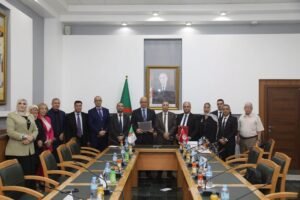
On the sidelines of NAPEC 2026, Mohamed Arkab is scheduled to hold a series of meetings with officials, executives and representatives of major national and international companies operating in the oil and gas industry, as well as technology partners.
The meetings will focus on opportunities to strengthen cooperation, exchange expertise and explore new prospects for investment and partnership.
Such meetings provide an additional business dimension to the event, complementing the technical and policy discussions taking place during the conference.
They are also expected to facilitate direct exchanges between Algerian energy institutions and international companies seeking opportunities in the country’s energy market.
Official Delegation to Tour Exhibition Pavilions
The exhibition component of the event will also receive attention, with the official delegation scheduled to tour the different exhibition pavilions.
The tour will provide an opportunity to review projects, technologies, innovations and solutions presented by participating national and international companies.
The exhibition offers companies an avenue to showcase technological developments and operational solutions while allowing energy-sector decision-makers and professionals to examine emerging technologies and potential areas of cooperation.
NAPEC’s Role in Africa and the Mediterranean
The organization of the 14th edition reinforces NAPEC 2026 as a major professional platform connecting stakeholders from Africa and the Mediterranean.
The event brings together decision-makers, industry leaders, experts and technology providers in a setting designed to promote dialogue, exchange experience and develop new partnerships.
Its geographic positioning also gives the event particular relevance to Algeria’s role as an energy link between Africa, the Mediterranean and Europe.
Through the development of its resources, infrastructure and partnerships, Algeria is seeking to strengthen its position within regional and international energy markets while supporting investment and innovation.
Algeria Positions Energy Development Around Security and Sustainability
The latest edition of NAPEC takes place against a backdrop of significant changes in the global energy sector, where security of supply, affordability, decarbonization, technological innovation and rising demand are increasingly interconnected.
For Algeria, the event provides an opportunity to present the country’s energy potential while engaging with international partners on investment, technology and cooperation.
The discussions in Oran will cover both the continued development of hydrocarbons and the expansion of hydrogen, renewable energy and low-carbon technologies, alongside digitalization, artificial intelligence, energy efficiency and infrastructure modernization.
Through this broad agenda, NAPEC 2026 seeks to contribute to discussions on building energy systems that are more efficient, flexible and resilient, while supporting the ability to meet growing demand and integrate different energy sources.
The event ultimately provides a common platform for Algeria, African and Mediterranean partners and international industry stakeholders to examine the evolving energy landscape and identify opportunities for cooperation, investment and technological development.
Share this content:



إرسال التعليق